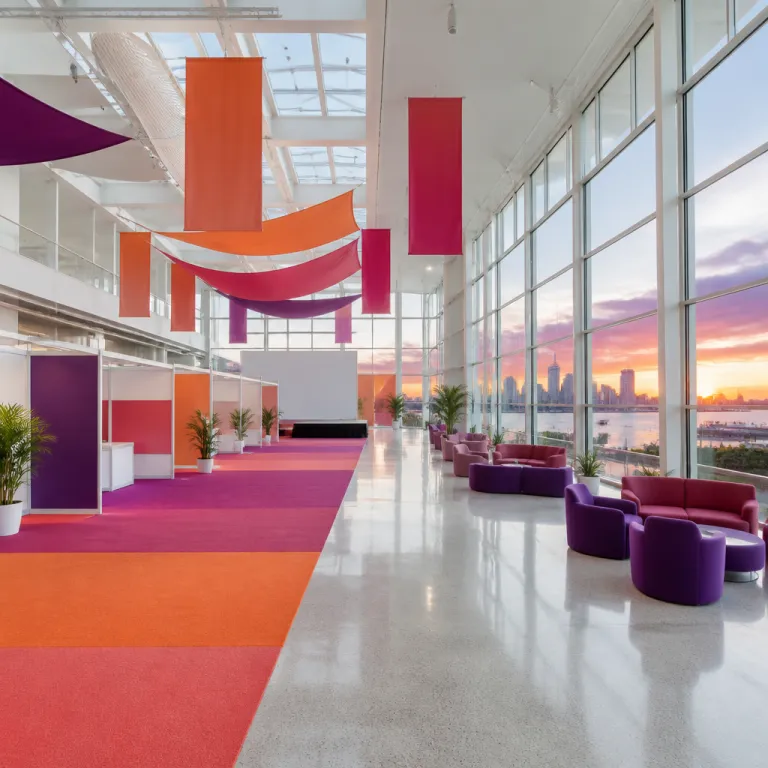
NZICC at full capacity and what buyers really saw
The promise of Auckland’s new convention centre became tangible when the New Zealand International Convention Centre (NZICC) finally ran at full capacity for MEETINGS 2024. Over two packed days in June, more than 1,500 attendees and over 600 hosted buyers walked a continuous spine of stands, theatres and meeting spaces that demonstrated how Tāmaki Makaurau Auckland can now host large-scale business events without fragmenting delegates across multiple venues. For luxury and premium hotel bookers, this was the first real stress test of the convention centre’s 6,674 square metres of exhibition halls and 2,700 square metres of configurable meeting rooms, figures widely cited in industry news and Business Events Industry Aotearoa (BEIA) briefings.
Hosted by BEIA, the trade show was formally held at the NZICC on 17 and 18 June, with an opening programme on 16 June that pushed buyers into the wider city. During those Auckland Convention Bureau city tours, organisers steered groups through the central business district, the waterfront hotels around Viaduct Harbour and Wynyard Quarter, and the arts and dining lanes that now frame the convention centre. The result was a clear narrative for the events industry in Aotearoa New Zealand: Auckland can now stage a major international convention in one vertical precinct and still feel walkable, harbour-focused and human scale.
For many in the global events industry, this was their first close look at Tāmaki Makaurau Auckland as a serious Asia Pacific meetings hub. Delegates from Australia, Southeast Asia, China, India, Japan and North America moved easily between the NZICC halls, nearby five-star lobbies and harbourside restaurants, helped by compact blocks and improving public transport links. The official FAQ captured the positioning crisply when it stated, “What is MEETINGS 2026? A premier New Zealand business events trade show,” underlining the city’s ambition to be a leading international gateway for conferences in this part of the world.
Inside the NZICC, the scale of the business events sector across Aotearoa was on show through more than 250 exhibitor stands from 18 regions, as reported by BEIA and local news outlets. The convention centre’s divisible halls allowed the organisers to cluster regional convention bureau teams, luxury hotel groups and specialist venues while still carving out quiet zones for one-to-one meetings. Over 6,000 pre-arranged appointments were scheduled, giving hotel revenue managers and sales directors a dense pipeline of qualified leads that will feed corporate group bookings and future conference business for years.
For Auckland Council’s cultural and economic development agency, now branded Tātaki Auckland Unlimited, the event was also about identity and community building. Staff from the Auckland Convention Bureau walked buyers through the story of Tāmaki Makaurau, from Māori heritage to tech-led industry clusters, positioning the city as more than a transit point in the wider Pacific. As one bureau representative put it, “We want planners to see Auckland as an international convention city where business, culture and harbour life intersect within a few minutes’ walk, and where our team can help shape distinctive programmes.”
Logistics mattered as much as spectacle for these meetings-focused buyers, and Auckland’s transport performance was under quiet scrutiny. Shuttle flows between the airport, the convention centre and key hotels in the central business district showed how easily future events will move high-value delegates, while short transfers to Ponsonby, Parnell and the waterfront reassured planners about offsite venues. For organisers weighing where their next conference will be held, the ability to keep transfers under 30 minutes in New Zealand’s main international gateway city is a decisive advantage when they plan complex itineraries.
Waterfront hotels, Radisson RED and the new MICE map
While the NZICC carried the headline, the real story for luxury travellers played out in the hotels that wrapped around it in central Auckland. Viaduct Harbour’s established five-star addresses, the new generation of design-led properties in Wynyard Quarter and the corporate stalwarts along Albert and Queen Streets all reported strong compression as MEETINGS filled the city. For revenue managers, the pattern confirmed that when a major international convention lands in Tāmaki Makaurau Auckland, the waterfront and arts precincts now function as a single integrated campus for business events.
The opening of Radisson RED Auckland, with 322 rooms and a rooftop bar in direct line of sight to the convention centre, shifted that campus map again. This property is calibrated for the business traveller who wants fast check-in, strong meeting room tech and a lobby that doubles as informal conference networking space. During MEETINGS, its proximity to the NZICC made it a natural base for international buyers who needed to move between scheduled appointments, bureau briefings and late-night harbour dinners without losing time in transport.
City tours organised by the Auckland Convention Bureau on 16 June gave buyers a structured way to test this new geography. Groups walked from the convention centre through Federal Street’s dining strip, down to Commercial Bay’s retail and dining complex, then out to the Viaduct’s marina-edge hotels, seeing how easily future conference delegates will flow between formal sessions and social events. For planners thinking about how to extend a conference trip into an Auckland escape, resources such as the guide on turning boardroom time into Hauraki Gulf downtime now feel directly actionable.
Behind the scenes, BEIA and the Auckland Convention Bureau used the event to align hotel partners on pricing, minimum-stay patterns and value-adds for future business events. With multi-day conferences having generated an estimated NZ$925 million in total spending across New Zealand in the previous year, according to Hospitality Business and BEIA data, the stakes for getting this right are high. Luxury properties that can flex between high-yield corporate blocks during meetings and premium leisure packages before and after the main event will capture the most resilient revenue in the competitive Asia Pacific region.
For international buyers, the presence of a strong convention bureau and a clearly defined Auckland convention precinct reduced perceived risk. They saw that Tāmaki Makaurau Auckland now offers a coherent set of venues, from the main convention centre to satellite meeting rooms in five-star hotels and character spaces along the waterfront. That clarity matters when you are pitching an international convention to senior stakeholders who may never have visited Aotearoa New Zealand and are comparing options across the wider global events industry.
The wider Asia Pacific context also framed conversations in the aisles. As other regional competitors jostle for market share, Auckland’s ability to host a large-scale trade show like MEETINGS without visible strain signalled that the city is ready for more complex events. For hotel bookers, the performance of the NZICC and its surrounding venues offered concrete data points on room inventory, walkability, delegate satisfaction and transport planning that will feed into future site inspections and RFPs.
From trade show to extended stays: what it means for luxury travellers
The most telling outcome of the MEETINGS showcase may be what happened after the exhibition floor closed. A significant share of international buyers extended their time in Auckland, turning a two-day conference into a three- or four-night stay that blended harbour dining, Waiheke Island vineyard visits and short regional hops. For luxury hotels, this business-leisure pattern is where the real margin lies, and it is increasingly central to how they plan for future business events.
City hosts leaned into that opportunity by curating post-event itineraries that started within walking distance of the convention centre. Delegates were encouraged to move from the NZICC’s glass-lined foyers to nearby hotel spas, chef-led restaurants and harbour-view suites, then out to the Hauraki Gulf on day trips that still allowed for remote meetings. Families travelling with executives found that central Auckland’s premium properties, many of them profiled in guides to staying in Auckland with children, could balance kids’ needs with board-level service standards.
For those planning a longer New Zealand itinerary around MEETINGS, the event underlined how easily Auckland connects to the rest of the country. Buyers used the city as a base for short flights to Queenstown, Wellington and Christchurch, or for road trips to Northland and the central North Island, often booking high-end lodges through the same platforms they used for their Auckland stays. Some even combined the conference with a refined lakeside escape, using resources such as this guide to booking a bach in Taupō to extend their business events trip into a broader Aotearoa experience.
Digital infrastructure around the NZICC also came under the spotlight, from the event app’s streamlined navigation to the way hotel booking engines surfaced nearby venues and transport options. For high-value delegates, the ability to move from core information about the conference to real-time room availability, restaurant reservations and airport transfers on a single screen is now a baseline expectation. Luxury hotels that integrate their systems with convention centre platforms and the Tātaki Auckland ecosystem will be better placed to capture spontaneous upgrades and last-minute leisure add-ons.
Leadership messaging during MEETINGS reinforced the strategic importance of this sector for BEIA and the wider events community. In official communications, BEIA chief executive Lisa Hopkins and her team answered a core question directly: “When and where is MEETINGS 2026? 17–18 June 2026 at NZICC, Auckland.” That clarity, combined with visible collaboration between BEIA, Tātaki Auckland, the convention bureau and hotel partners, signalled to international buyers that this is a mature, coordinated destination for serious business events.
For executives weighing where to send their teams next, the lesson from Tāmaki Makaurau is straightforward. Auckland showed that it can host a dense, international convention at the NZICC, fill its luxury hotels with meetings-focused travellers, and still offer enough harbour light and Pacific character to justify an extra night or two. The convention centre has moved from construction story to working statement of intent, and luxury travellers will feel the benefits every time they check in for a conference or incentive programme in this evolving Asia Pacific hub.
Sources
NewsWire NZ; Hospitality Business; Business Events Industry Aotearoa (BEIA).