Manaakitanga in Auckland: where luxury hotel service begins with whakapapa
In Auckland, the Māori-inflected luxury hotel experience starts long before you reach your room. In the city that many locals still call Tāmaki Makaurau, front desk staff in leading properties such as Park Hyatt Auckland and The Hotel Britomart are trained to welcome you not just as a guest but as a manuhiri, a visitor entering a living story shaped by land and harbour. That shift in language changes how a hotel in Auckland thinks about every interaction, from the first email to the final farewell.
Manaakitanga, the Māori concept of deep hospitality and care, goes beyond a polished five-star service script. It asks hosts in Auckland hotels to balance generosity, reciprocity and respect, so a luxury stay feels less like a transaction and more like a relationship that stretches across miles and generations. When a front desk team understands this, the lobby becomes a threshold into te ao Māori, the Māori world, rather than just another neutral city check-in zone.
Local experts across Tāmaki Makaurau and the wider North Island describe manaakitanga as a responsibility, not a branding exercise. New Zealand Māori Tourism defines it as “the process of showing respect, generosity and care for others,” a line now widely used in staff training. That simple statement anchors cultural storytelling, Māori language greetings and the careful use of Māori art in public spaces, ensuring that every luxury hotel profile reflects real partnership with mana whenua, local iwi such as Ngāti Whātua Ōrākei, rather than surface-level décor.
On a stay in Auckland, you will notice that the best luxury hotels now brief guests about tikanga, or customs, at the front desk. Hosts might quietly explain why shoes are removed before entering a particular space, or why a carved pou in the lobby faces the harbour view rather than the city skyline. This is where a Māori-informed hospitality approach sets a high standard, turning a routine check-in into a short, respectful travel guide to Tāmaki Makaurau.
Five leading hotels highlighted by Auckland’s tourism agencies as champions of manaakitanga — including Park Hyatt Auckland, Cordis Auckland, QT Auckland, The Hotel Britomart and SO/ Auckland — show how this approach reshapes expectations of luxury travel in Aotearoa New Zealand. Some are classic high-rise Auckland hotels with a strong star rating, others feel closer to an urban lodge with fewer rooms but a stronger connection to whenua, the land. Across these properties, front desk hosts act as cultural concierges, guiding you to public events, Māori-led tours and hotel restaurant menus that speak directly to the story of this corner of Tāmaki Makaurau.
For solo explorers arriving via Auckland Airport (AKL), this style of welcome can be quietly transformative. Instead of a generic city map, you might receive a hand-sketched guide card that marks out maunga, the volcanic cones, alongside the best coffee and the closest free gallery. The contemporary Māori hospitality ethos begins with that map, and continues as staff remember your name, your breakfast preferences and the photos you asked them to take on the terrace at sunset.
From lobby to room: how design and ritual carry Māori values
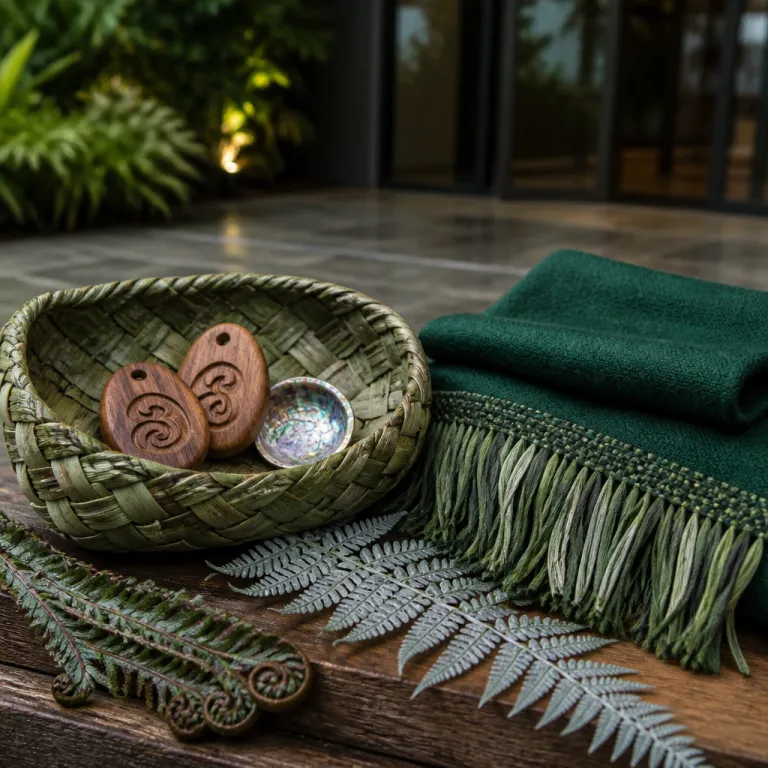
Step into a leading Auckland hotel today and you may notice carved timber panels, woven tukutuku patterns and soft karakia playing under the lobby soundtrack. These are not random design flourishes; they are part of a deliberate movement that treats architecture and interiors as a form of storytelling. In Tāmaki Makaurau, where the harbour curves around the city like a cradle, the best luxury hotels now work with Māori cultural advisors from local iwi to ensure every motif has whakapapa, a lineage.
In practice, that means the star rating on a hotel Auckland listing tells only half the story. A property might be a five-star hotel on paper, but what sets it apart is how manaakitanga shapes the guest journey from the front desk to the room, from the hotel restaurant to the spa. You may be welcomed with a short mihi, a greeting in te reo Māori, and offered a glass of infused water made with native kawakawa leaves, a small but telling gesture that grounds your stay in this specific corner of Aotearoa New Zealand.
Room design in these Tāmaki Makaurau properties often mirrors the wider landscape. Soft greens and ocean blues echo the view across the Waitematā Harbour, while artworks reference the city as a place of many lovers, many arrivals, many departures. For a solo traveller, this Māori-inspired luxury hotel aesthetic feels both calming and quietly instructive, inviting you to read the city through its textures and patterns rather than just its skyline.
Several luxury hotels in the city now use digital tablets in rooms not only for free room service ordering but also as a cultural travel guide. You might scroll through a calendar of public events curated with local experts, including kapa haka performances, harbour ceremonies and guided walks on nearby maunga. High-resolution photos and short videos introduce you to hosts and storytellers before you meet them in person, extending the front desk manaakitanga into a private, on-demand format.
Matariki, the Māori New Year, has become a defining moment for this design-led approach to hospitality. Many hotels Auckland-wide now shape their June and July programming around the rising of the Matariki star cluster, offering special breakfast menus featuring seasonal kai and dawn gatherings on rooftop terraces with a clear view of the eastern sky. If you want a deeper sense of how luxury hotels engage with this season, the dedicated guide to Matariki from a luxury hotel in Auckland is an essential companion.
Architecture plays a quiet but powerful role in this evolution of Māori hospitality in the city. Properties featured in the design-focused overview of Auckland hotels where architecture tells the city’s story show how a lobby ceiling can echo a waka hull, or how a corridor can align with a historic portage route across Tāmaki. For guests, these details may first appear as aesthetic choices, yet they gradually reveal themselves as a living travel guide to the city’s layered history.
For travellers comparing Auckland hotels online, it is worth looking beyond the usual photos of pools and skyline views. Read how each hotel in Auckland describes its relationship with mana whenua, the people of the land, and whether local iwi are named as partners rather than generic cultural consultants. A true luxury property informed by Māori values will treat design as a form of respect, not just a visual theme, and that respect will be visible in everything from the placement of artworks to the language used on in-room profiles.
Food, kaitiakitanga and the rise of indigenous fine dining
Dining is where the Māori hospitality story in Auckland’s luxury hotels becomes most tangible. In a city that now celebrates Pacific and Māori flavours at the highest level, the best hotel restaurants are rethinking what a luxury breakfast, lunch or tasting menu should look like. They are guided by kaitiakitanga, the principle of guardianship over land and sea, which sits alongside manaakitanga as a core value in te ao Māori.
The recent MICHELIN star awarded to Tala, the Samoan restaurant led by executive chef Henry Onesemo and recognised in the MICHELIN Guide New Zealand 2024, has shifted expectations across the city. Tala’s recognition signalled that Pacific indigenous cuisine belongs at the top tier of global dining, and Auckland hotels have taken note by elevating their own relationships with Māori and Pasifika producers. For guests choosing a high-end stay in Tāmaki Makaurau, this means menus that name growers, fishers and foragers from across the North Island, turning each plate into a quiet travel guide to Aotearoa New Zealand.
At breakfast in a leading Auckland hotel, you might find rewena bread alongside sourdough, kawakawa tea next to single-origin coffee and smoked kahawai replacing the usual salmon. These details matter because they show how a star-rated property can honour local foodways without sacrificing the ease and comfort luxury travellers expect. When front desk staff mention that your free breakfast includes seasonal Māori-inspired dishes, they are inviting you into a story of place rather than simply listing buffet options.
Kaitiakitanga also shapes how hotels Auckland-wide think about sourcing and waste. Many luxury hotels now publish a sustainability profile on their websites, outlining how they reduce food miles, support regenerative farms and partner with iwi-led environmental projects in Tāmaki Makaurau and beyond. For a solo explorer, asking about these programmes at check-in is a simple way to gauge whether a hotel is living its values or just repeating fashionable language.
Evening dining brings another layer of cultural experience. Some Tāmaki Makaurau properties host intimate hāngī-inspired dinners on terraces with a harbour view, pairing slow-cooked kai with stories from local experts about the history of the city as a trading hub. Others collaborate with institutions such as Auckland Museum, where curated experiences like those described in the feature on after dark Māori culture for luxury travellers extend the hotel restaurant conversation into the wider city.
For travellers comparing Auckland hotels, it is worth reading menus as carefully as room descriptions. Look for references to kaitiakitanga, to specific rohe or regions within Aotearoa, and to partnerships with Māori-owned suppliers rather than generic local sourcing claims. A genuine luxury hotel shaped by Māori hospitality will treat every meal as an opportunity to express care for guests and for the environment, aligning indulgence with responsibility in a way that feels both modern and deeply rooted.
Matariki, calendars and the rhythm of Māori led city life
Time feels different when you let a manaakitanga-led Auckland hotel set the rhythm of your stay. Instead of planning solely around business meetings or ferry timetables, you begin to notice how the Māori calendar shapes the city’s mood, from dawn ceremonies on the waterfront to late-night public events in galleries and museums. For solo travellers, this offers a subtle but powerful way to align your own movements with the pulse of Tāmaki Makaurau.
Matariki, the Māori New Year marked by the rising of a star cluster, has become the most visible expression of this seasonal rhythm. Many Auckland hotels now build special packages around the Matariki period, with front desk staff curating a personalised calendar of events that might include early morning karakia, storytelling sessions in the lobby and guided walks to nearby maunga for panoramic city views. Choosing a luxury hotel grounded in Māori values during this time means your itinerary is shaped as much by the night sky as by restaurant reservations.
Outside Matariki, the Māori lunar calendar continues to influence how some hotels Auckland-wide plan wellness and cultural programming. You may find yoga or meditation sessions timed to particular moon phases, or chef’s tables that highlight ingredients best harvested at specific points in the maramataka, the traditional calendar. This approach turns a standard star hotel schedule into a living, breathing guide-to-Auckland experience, where timekeeping is as much about tides and stars as about check-out deadlines.
Front desk teams play a crucial role in translating these concepts for international guests. When you arrive at a hotel in Auckland, staff might ask about your interests and then quietly mark key dates on a printed or digital calendar, from kapa haka performances in the city centre to free public events hosted by local marae. For a solo explorer, this personalised curation feels like having a cultural concierge in your pocket, one who understands both your need for independence and your curiosity about te ao Māori.
Some properties in Tāmaki Makaurau now integrate these calendars directly into their digital profiles and booking journeys. As you browse options for a luxury stay in Auckland, you may see notes about upcoming festivals, harbour ceremonies or art openings, all within a few miles of the property. This level of detail signals that the hotel is not just located in the city but actively engaged with its Māori-led cultural life.
For travellers arriving via Auckland Airport (AKL) and staying only a few nights, these curated calendars can make the difference between a generic city break and a stay that feels anchored in place. When a luxury hotel uses manaakitanga to shape how you move through time as well as space, the city’s stories become easier to read and remember. You leave not only with photos of skyline views but with a felt sense of how Tāmaki Makaurau breathes across seasons.
Reading between the stars: how to choose a manaakitanga led luxury stay
Choosing a Māori-informed luxury hotel in Auckland from afar can feel daunting, especially when every website promises authenticity and connection. The key is to read beyond the star rating and look closely at how each property talks about its relationships with Māori communities, its environmental commitments and its role in the wider city. A true manaakitanga-led hotel in Auckland will be specific, naming iwi partners, programmes and people rather than relying on vague cultural language.
Start with the hotel profile on your preferred booking platform. Look for mentions of Māori language greetings at the front desk, cultural training for staff and partnerships with local experts who guide storytelling, art commissions and public events. If a property describes itself as one of the best luxury hotels in Tāmaki Makaurau, it should be able to show how manaakitanga shapes daily operations, not just special occasions.
Next, examine the photos and captions. Do you see Māori artworks credited to specific artists, or generic motifs with no explanation of their origins and meanings? Are there images of staff participating in pōwhiri, formal welcomes, or of guests joining guided walks that connect the city view to deeper histories of Tāmaki and the wider North Island? These visual cues help distinguish a genuine Māori hospitality approach from one that treats culture as a backdrop.
Location also matters. Properties closer to the waterfront may offer stronger connections to waka culture and harbour ceremonies, while those near maunga can frame the city through volcanic landscapes and ancestral pathways. When comparing hotels Auckland-wide, consider how each address in Tāmaki Makaurau positions you within the living story of the city, not just within easy reach of shopping streets or the Auckland Airport express bus.
For solo travellers focused on luxury travel with meaning, it is worth emailing or calling the front desk before booking. Ask how manaakitanga and kaitiakitanga show up in daily practice, from breakfast sourcing to waste management, from staff training to support for Māori-led initiatives in Aotearoa. The clarity and warmth of the response will tell you more about the hotel in Auckland than any polished marketing line.
Finally, remember that the Māori hospitality experience in Auckland is as much about how you show up as about where you stay. Engage with staff about cultural practices, participate in offered ceremonies and respect local customs, whether you are in a high-rise star hotel or a smaller urban lodge. When guests and hosts meet each other with curiosity and care, manaakitanga becomes more than a concept; it becomes the quiet, enduring heart of luxury in Tāmaki Makaurau.
FAQ: Māori hospitality and luxury hotels in Auckland
What is manaakitanga in the context of Auckland luxury hotels?
Manaakitanga in Auckland luxury hotels refers to a Māori-centred approach to hosting that emphasises generosity, respect and care for guests. It shapes everything from front desk greetings and cultural storytelling to how hotel restaurants source ingredients and how properties engage with local iwi. In a high-end Auckland hotel grounded in manaakitanga, service standards are guided by relationships and responsibilities rather than only by efficiency metrics.
How does manaakitanga enhance a stay for solo travellers?
For solo travellers, manaakitanga provides a sense of being personally looked after without feeling managed or over-scheduled. Front desk staff in a hotel in Auckland practising these values will often tailor recommendations to your interests, introduce you to public events and help you navigate Tāmaki Makaurau with confidence. This creates a balance between independence and connection that many guests describe as the best kind of luxury.
Which Auckland hotels are known for integrating Māori values?
Several high-end Auckland hotels now integrate Māori values through design, programming and partnerships with local iwi. Properties frequently cited include Park Hyatt Auckland, The Hotel Britomart, Cordis Auckland and QT Auckland, all of which highlight cultural advisors, Māori art collections and involvement in events such as Matariki. When researching a luxury stay, look for detailed descriptions of these elements rather than generic references to local culture.
How can I tell if a hotel’s Māori branding is genuine or tokenistic?
Genuine engagement with Māori culture in an Auckland hotel is usually specific, transparent and ongoing. You should see named iwi partners, clear explanations of artworks and rituals, and evidence of staff training and community support programmes. Tokenistic branding tends to rely on vague language, uncredited motifs and one-off events that do not affect daily operations in the hotel environment.
What role does kaitiakitanga play in Auckland’s luxury hotel scene?
Kaitiakitanga, or environmental guardianship, guides how many Auckland hotels think about sustainability, from reducing food miles to supporting restoration projects in Aotearoa New Zealand. In a luxury hotel that takes this seriously, you will often find detailed sustainability profiles, menus that highlight regenerative producers and initiatives that involve guests in low-impact experiences. Together with manaakitanga, kaitiakitanga helps define Auckland’s Māori-informed luxury hotels as places where comfort, culture and care for the land are inseparable.
References
New Zealand Māori Tourism; Tourism New Zealand; MICHELIN Guide New Zealand 2024.