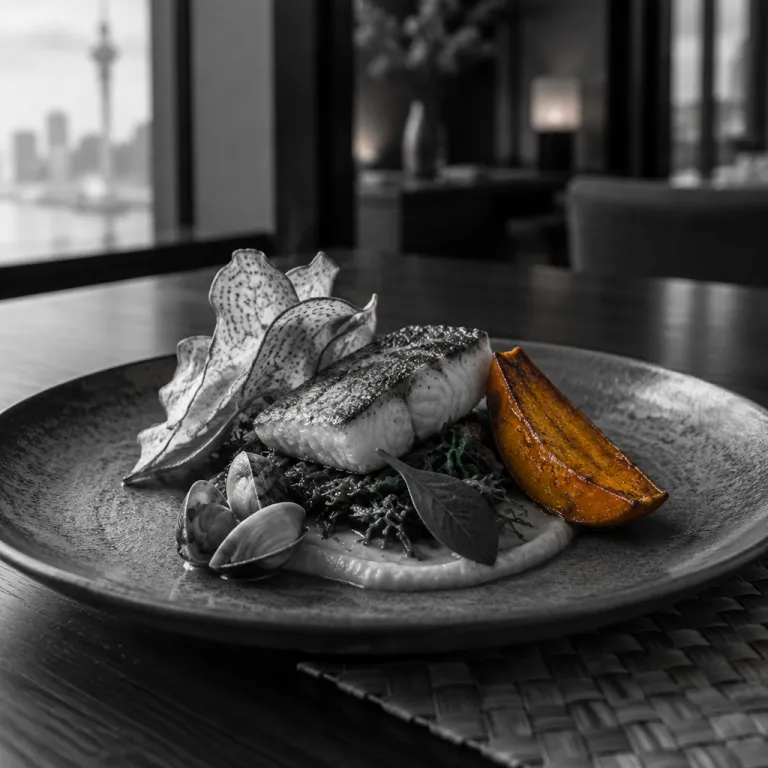
Pacific cuisine in Auckland: where Māori kai meets fine dining
Auckland is the city where pacific cuisine Auckland Māori fine dining finally feels at home. In the dining rooms of luxury hotels and harbourside restaurants, chefs are treating Māori kai and wider Pacific food traditions as the foundation of a new culinary language. For couples planning a stay in Aotearoa, this means every carefully planned dining experience can double as a cultural immersion in the flavours of the South Pacific.
The city’s identity as the largest Polynesian metropolis in New Zealand and the wider region shapes what arrives on your plate. Menus reference Samoa, Tonga and the Cook Islands as confidently as they reference France or Japan, and you will see both a single Samoan chef and entire Samoan chefs’ brigades leading serious kitchens. When you browse a hotel’s restaurant list, look for words like kai, hāngī inspired, or references to Samoa food traditions, because these signals usually point to cuisine good enough to anchor an entire trip.
Luxury travellers often ask whether Auckland’s Pacific leaning restaurants can match classic European fine dining. The answer is yes, and increasingly they do so while foregrounding Māori and Samoan cuisine rather than hiding it behind imported ideas. You will still find French sauces and Japanese precision, but the best chefs in Auckland now use them to frame local flavours instead of overshadowing them, which makes every course feel rooted in Aotearoa rather than anywhere else in the world.
From hāngī pits to omakase counters: techniques reshaping hotel dining
In the luxury hotel world, pacific cuisine Auckland Māori fine dining is no longer confined to one flagship restaurant. Executive chefs are weaving Māori techniques like hāngī style slow cooking and smoking into breakfast buffets, lobby lounges and room service menus. This shift means that even a casual plate of eggs or a late night snack can quietly introduce you to indigenous flavours and Pacific food stories.
Some of the most interesting moves are happening at hotel omakase counters and chef’s tables. At places such as Kureta at JW Marriott Auckland, where an intimate omakase counter is redefining hotel dining, you might watch a chef brush kawakawa oil over line caught fish while explaining how Māori communities have used the plant for generations. These curated counters turn a simple dining experience into a guided journey through Aotearoa’s coastal ecosystems, with each course layered in time, place and cultural meaning.
Techniques from Samoa and other Pacific islands are also entering the conversation in both singular and plural forms. You will see a Samoan chef using coconut cream and taro in ways that feel both nostalgic and sharply modern, and you may taste Samoa food reimagined as delicate canapés alongside serious wine pairings. For couples, sitting at the counter and hearing chefs share personal stories about Samoan cuisine and Māori kai can be as romantic as any skyline view, because you are being invited into living traditions rather than a generic hotel script.
Indigenous ingredients: horopito, kawakawa and the new language of luxury
The most distinctive pacific cuisine Auckland Māori fine dining menus read almost like field guides to native plants and coastal waters. Horopito, kawakawa, pikopiko, pāua and tītī appear not as novelties but as core building blocks of a sophisticated cuisine. When chefs treat these ingredients with the same respect usually reserved for truffles or caviar, the result is a style of dining that feels unmistakably of Aotearoa.
At rooftop venues such as the open air restaurant AKA, which brings 800 square metres of open air dining to Auckland’s skyline, you might taste kawakawa infused oils drizzled over raw fish or horopito dusted lamb served with smoked kūmara. These dishes show how good food can be both comforting and quietly radical, especially when chefs use indigenous herbs to replace imported spices. Couples who care about a strong sense of place should prioritise restaurants and hotel bars that name these ingredients clearly on the menu, because transparency usually signals both confidence and quality.
Seafood is where this ingredient led approach often shines brightest. Pāua, green lipped mussels and line caught fish from waters around New Zealand appear in both simple and elaborate preparations, from raw kai platters to multi course fine dining experiences. When you see a tasting menu that lists specific bays, fishing methods and Māori names for species, you can be confident that the cuisine is good, the sourcing is thoughtful and the chefs are using time honoured knowledge rather than chasing trends.
MICHELIN attention and Auckland’s Pacific restaurants: what it means for travellers
Global recognition has finally caught up with what locals have known for a long time about pacific cuisine Auckland Māori fine dining. The arrival of the MICHELIN Guide in New Zealand has placed a spotlight on Auckland restaurants that treat Māori and Pacific kai as serious gastronomic material. For travellers, MICHELIN stars and Bib Gourmand distinctions now offer an extra layer of reassurance when choosing where to book a special night.
It is worth remembering that MICHELIN recognition in both singular and plural forms tends to favour consistency, clear identity and technical excellence. When you see a MICHELIN star or a MICHELIN recommended label next to an Auckland address, you are usually looking at a kitchen where the chef has spent years refining how to present Pacific food traditions in a contemporary frame. These restaurants often maintain tight reservation lists, so couples planning a short stay should secure tables at the same time they confirm their hotel rooms.
Not every essential Pacific restaurant carries a MICHELIN badge, and that is part of the charm. Some of the best expressions of Samoan cuisine or Māori kai appear in family run places in South Auckland, where the focus is on generous portions and a relaxed dining experience rather than tasting menu theatre. A smart strategy is to pair one MICHELIN style evening with one or two more casual restaurants, so you can compare how different chefs and neighbourhoods share the same ingredients and stories in contrasting ways.
South Auckland and beyond: where Samoan and Māori food culture runs deep
To understand why Auckland’s luxury dining feels so rooted, you need to spend time in South Auckland. This is where Samoan, Tongan and other Pacific communities have built dense networks of shops, markets and restaurants that keep island food traditions alive. When chefs from central city hotels talk about inspiration, they often reference the Samoa food stalls and Samoan cuisine counters they grew up visiting in these suburbs.
For couples staying in the city centre, a guided food tour into South Auckland can be one of the most rewarding excursions of the trip. You might move from a Samoan chef grilling marinated meats over open flames to bakeries selling coconut buns, then on to small shops specialising in taro, breadfruit and tropical fruit rarely seen in standard supermarket lists. These experiences make it easier to appreciate how refined hotel dishes connect back to everyday Pacific food culture, and they add emotional depth to every subsequent fine dining experience.
Back in downtown Auckland, many luxury properties now hire chefs who grew up in these communities and understand both sides of the equation. They know how to translate generous, family style Samoa food into plated courses suitable for romantic dinners, without losing the sense of abundance and warmth that defines Pacific hospitality. When you read a hotel restaurant menu that references South Auckland markets or specific Samoan shops by name, you are usually looking at a kitchen that respects its sources and treats cuisine as a living bridge between worlds.
How to choose a luxury hotel for a Pacific led dining experience
When you are booking a luxury stay, the easiest way to tap into pacific cuisine Auckland Māori fine dining is to treat the restaurant list as seriously as the room categories. Start by checking whether the property highlights Māori kai, Pacific flavours and local seafood in both its flagship restaurant and its more casual outlets. Hotels that speak confidently about Aotearoa ingredients on their websites usually back that up with thoughtful menus and well trained teams on the floor.
Look for signs that the executive chef and their brigade have real connections to Māori and Pacific communities, rather than treating these cuisines as a passing trend. Biographies that mention time spent in South Auckland kitchens, collaborations with Samoan chefs or partnerships with iwi owned suppliers are strong indicators of authenticity. For a deeper dive into how properties are elevating on site gastronomy, you can explore guides to Auckland luxury hotel amenities that explain how spa, bar and restaurant concepts now work together as a single experience.
Once you have narrowed your options, consider how each hotel structures its dining experience for couples. Some properties offer chef’s table seats, private rooms or terrace tables designed for two, which can turn a good food offering into a memorable evening. Others may arrange off site reservations at leading Pacific restaurants, ensuring you can sample both hotel cuisine and independent dining rooms without losing time to logistics.
Skyline views, harbour breezes and the romance of Pacific flavours
Part of the appeal of Auckland for couples is how easily you can pair Pacific flavours with dramatic urban and coastal settings. A rooftop bar or terrace restaurant serving Māori kai and Pacific seafood feels different when you can see the harbour that shaped these food traditions. The city’s best luxury hotels understand this and design their dining spaces to frame both plate and panorama.
Venues such as the elevated restaurant AKA, with its expansive open air dining high above the streets, show how architecture and cuisine can work together. Here, a tasting menu built around Aotearoa ingredients gains extra resonance when the lights of Auckland spread out below and the air carries a hint of sea salt. For many couples, this combination of skyline views, attentive service and Pacific flavours defines the ideal dining experience, especially when paired with a thoughtful New Zealand wine list.
Harbourside restaurants and hotel terraces along the Viaduct and Wynyard Quarter offer a different but equally compelling mood. You might share plates of raw kai, grilled fish and seasonal vegetables while watching ferries move across the water, or linger over dessert as the city’s lights reflect on the harbour. Whether you choose a MICHELIN recognised room or a quieter hotel restaurant, the key is to book ahead, request a table that suits your style and allow enough time to savour both the food and the setting without rushing.
Key figures shaping Auckland’s Pacific and Māori dining landscape
- According to Auckland Council demographic data, more than 15 percent of the city’s population identifies with at least one Pacific ethnicity, which helps explain why Samoan cuisine and other island food traditions are so visible in both casual and fine dining restaurants.
- Tourism New Zealand reports that food and wine experiences rank among the top three trip motivators for international visitors to Aotearoa, meaning that demand for good food rooted in local ingredients continues to push hotels and restaurants toward more ambitious Pacific led menus.
- Industry surveys from Hospitality New Zealand indicate that Auckland accounts for the largest share of restaurant revenue in the country, giving chefs and hotel operators both the audience and the financial incentive to invest in pacific cuisine Auckland Māori fine dining concepts.
- Data from the New Zealand Ministry for Primary Industries shows that seafood exports, including species such as pāua and green lipped mussels, contribute billions of dollars to the national economy, underscoring how central coastal kai is to both everyday life and high end cuisine.
- Restaurant booking platforms tracking Auckland reservations consistently report that tasting menus featuring New Zealand and Pacific ingredients sell out faster than generic international offerings, suggesting that travellers actively seek out cuisine good at telling local stories.
FAQ: Auckland luxury hotels and Pacific led fine dining
How far in advance should I book Auckland’s Pacific focused fine dining restaurants ?
For MICHELIN recognised restaurants and high profile hotel dining rooms, aim to book at least two to four weeks ahead, especially for Friday and Saturday nights. Smaller Pacific and Māori led restaurants in South Auckland may accept walk ins, but reservations are still wise for peak times. When in doubt, ask your hotel concierge to secure tables as soon as you confirm your travel dates.
Can I find authentic Samoan and Māori food near central Auckland hotels ?
Yes, you can access both Samoan cuisine and Māori kai within a short taxi or rideshare trip from most luxury properties. The city centre offers several restaurants that integrate Samoa food traditions into contemporary menus, while South Auckland provides deeper immersion in community run eateries. Many hotels also bring these flavours in house through collaborations with Samoan chefs and Māori suppliers.
Are Auckland’s Pacific inspired hotel restaurants suitable for vegetarians and pescatarians ?
Most pacific cuisine Auckland Māori fine dining venues offer strong options for guests who avoid meat, because vegetables and seafood sit at the heart of many traditional dishes. Expect to see kūmara, native greens and coastal kai such as mussels and fish prepared in both simple and elaborate ways. When booking, mention your preferences so the chef can plan a balanced dining experience for you.
What should couples budget for a Pacific focused fine dining experience in Auckland ?
For a multi course tasting menu in a luxury hotel or MICHELIN recognised restaurant, couples should expect to spend a mid to high three figure amount in New Zealand dollars, including wine. More casual Pacific restaurants in South Auckland offer generous portions of good food at significantly lower prices, making it easy to balance one big night with several relaxed meals. Checking sample menus online before booking will help you align expectations with your overall trip budget.
How can I tell if a hotel genuinely supports Māori and Pacific food culture ?
Look for clear references to Māori kai, Pacific ingredients and community partnerships in the hotel’s restaurant descriptions, not just vague mentions of local produce. Properties that name specific suppliers, highlight Samoan chefs or describe time spent working with iwi and South Auckland communities usually show deeper commitment. Reading independent reviews and speaking directly with the concierge can also help you separate marketing language from meaningful engagement.
References : Tourism New Zealand ; Auckland Council ; Hospitality New Zealand