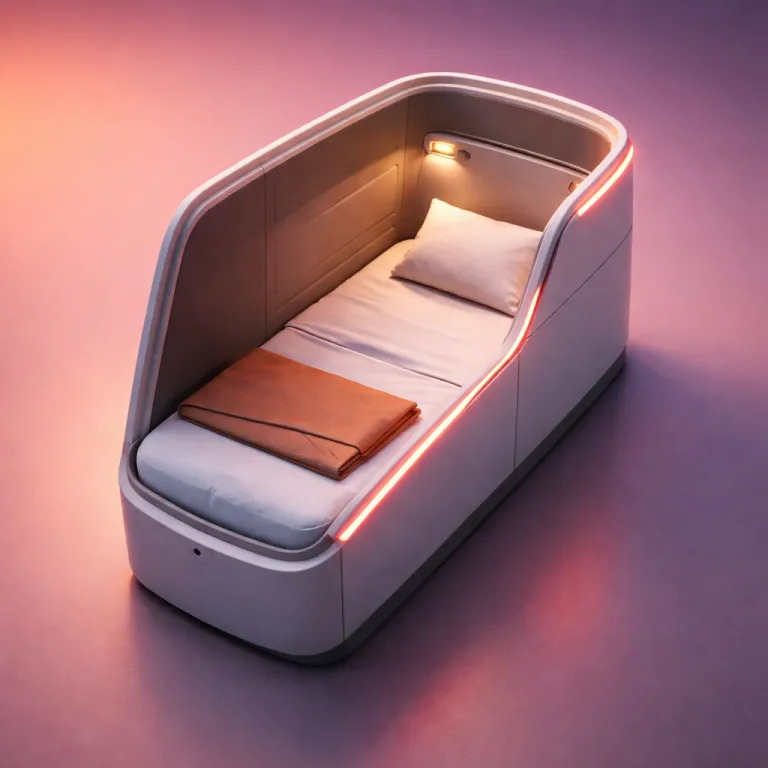
Air New Zealand Skynest Auckland: what the pods really offer
Air New Zealand is preparing to launch its Economy Skynest on the ultra long Auckland–New York route, and it quietly changes how luxury travellers plan their trips. On Boeing 787-9 long haul flights between Auckland International Airport and JFK, the airline will install six Skynest pods in a bunk style layout inside the economy cabins, creating a new sleep option that sits between standard economy seats and a full business class bed. For travellers who care as much about the Park Hyatt Auckland check in as the flight itself, this Air New Zealand Skynest Auckland innovation finally links cabin comfort with the city’s high end hotel scene.
According to Air New Zealand’s Skynest announcement and subsequent media briefings, each pod is around 203 centimetres long, giving most economy passengers enough space to lie fully flat without curling their feet inches away from the wall. The pods are arranged as bunk beds in two stacks of three, with a dedicated crew who will manage each four hour session so that passengers rotate fairly through the shared beds during the long haul flight. Official guidance from the airline describes “a set of six lie-flat sleep pods available for Economy passengers on select flights”, and this lie flat concept is designed to bridge the gap between economy and premium cabins without the cost of a business seat.
Bookings for a Skynest session open from mid May for travel from late northern autumn, and the airline expects strong demand on these ultra long haul flights linking New Zealand and the United States. Travellers reserve a specific four hour block on top of their economy or premium economy ticket, then access the Skynest during their allocated time while the crew prepares the bunk with fresh linens between users. Air New Zealand has indicated that pricing will sit well below a typical business class upgrade, and the Air New Zealand Skynest product will sit alongside the existing Skycouch, which turns a row of economy seats into a couch space, but the Skynest offers a true lie flat bed that feels closer to a compact cabin than a modified seat.
From cabin to check in: why Skynest matters for Auckland’s landmark hotels
For luxury hotel guests, the key question is simple: will the Skynest make it easier to skip business class and invest in the stay instead? On a 17 hour plus flight into Auckland, the ability to lie flat for a four hour session in a dedicated bunk can mean arriving rested enough to enjoy a late afternoon tasting at a Waiheke Island vineyard or a pre theatre dinner near the Auckland Art Gallery. Premium economy travellers in particular gain a new middle ground, pairing a premium economy seat with Skynest access, then directing the savings into a harbour view suite at The Hotel Britomart or a club level room at Cordis Auckland.
Compared with the Skycouch, which converts three economy seats into a shared couch space, the Skynest pods offer more privacy, more vertical space and a more predictable sleep window. Each bunk is equipped with a mattress, pillow, eye mask and a small amenity kit branded as a Nestcessities amenity, which brings a touch of premium detailing into the economy cabins without pretending to be a full first class experience. For solo travellers planning gallery hopping and theatre nights, pairing Skynest access with a stay near Auckland’s cultural quarter — see our guide to elegant stays near art galleries and theatres — can turn a punishing red eye into a manageable arrival.
Singapore Airlines and Qatar Airways have both pushed hard on sleep innovation in premium cabins, with spacious lie flat seats and refined amenity kits, but neither offers shared bunk beds for economy passengers in quite this way. Air New Zealand positions the Skynest as a democratised sleep product: the airline keeps the pods in the economy section, sells access by the hour session and allows both economy seats and premium economy passengers to book, which spreads the benefit across the cabin. For Auckland’s landmark hotels from the Sofitel Viaduct Harbour to QT Auckland, that means more guests stepping off long haul flights rested enough to enjoy waterfront breakfasts, spa appointments and early check in without losing the first day to jet lag.
Practical planning: how to book Skynest and maximise your Auckland stay
Travellers considering the Air New Zealand Skynest Auckland service should treat the pods like a limited edition cabin within a cabin, because only six beds are available on each flight. Book your Skynest session as soon as reservations open, especially on peak season flights when economy passengers and premium economy guests are all competing for the same bunk beds, and remember that each four hour session will be scheduled by the airline to balance demand across the ultra long route. Early indications from Air New Zealand suggest pricing will sit well below a business class upgrade, so the extra cost can be folded into a suite at a harbourfront property or a hotel with refined VIP airport transfer arrangements such as those highlighted in our guide to Auckland hotels with VIP airport transfers.
On board, passengers will arrive at their assigned Skynest bunk to find the crew have prepared fresh bedding, an eye mask and the Nestcessities amenity kit, turning the compact space into a simple but genuinely flat bed. The pods are long enough in centimetres and feet inches for most travellers to lie comfortably, and the ability to lie flat for a solid block of time can transform how you feel when you reach Auckland’s arrivals hall. For solo explorers planning elegant day trips from Auckland — such as those in our guide to refined excursions — that extra rest can mean heading straight to the ferry for Waiheke or to a Ponsonby café rather than collapsing in the room.
From a broader perspective, the Air New Zealand Skynest concept signals a shift in how airlines think about economy and premium economy comfort on long haul flights. Instead of relying solely on improved seats or the Skycouch style couch space, Air New Zealand is carving out a micro cabin of shared bunks that gives economy cabins a taste of lie flat rest, which used to be the preserve of business class. For Auckland’s high end hotel scene, that means guests arriving from ultra long haul flights with more energy for waterfront walks, Māori cultural experiences and late night cocktails, reinforcing the city’s position as a Pacific hub where the flight and the stay finally feel aligned in quality.