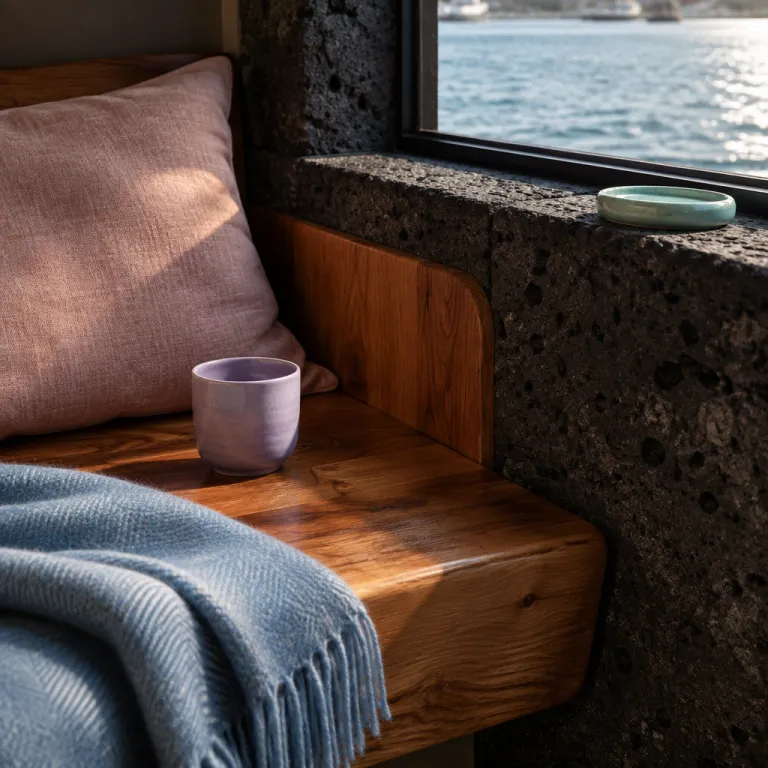
Hotel design in Auckland: where interior architecture tells the city’s story
Hotel design in Auckland interior architecture now reads like a quiet biography of the city. The most interesting hotels in Auckland use native timber, volcanic stone and harbour light so that every interior space feels anchored in Aotearoa rather than in a generic global template. For business leisure travellers, this shift in hospitality design means your guest rooms, public spaces and meeting facilities can frame the city’s character as clearly as any harbour cruise.
Across Auckland, New Zealand, a new generation of hotels is treating each building as a crafted project rather than a branded product. Architects and every interior designer working at the higher end of hospitality talk about the hotel as a living office, a refined home and a relaxed club, all layered into one coherent interior design narrative. That narrative is written through material choices, from the basalt under your feet to the rimu panelling beside your bed, and it is reshaping how travellers experience both individual rooms and shared spaces.
When you evaluate hotel design in Auckland interior architecture, look beyond the lobby chandelier. Ask how the design team has oriented the hotel toward the Waitematā Harbour, how the public spaces borrow light from the water, and how the guest rooms frame a view of volcanic cones rather than only the Sky Tower. The best hotels in Auckland Zealand now commission a design studio that understands both architecture and hospitality operations, so that every space, from the smallest office back-of-house to the most visible public bar, works beautifully for staff and guests.
Native timber as narrative: totara, rimu and kauri in hotel interiors
In serious hotel design in Auckland interior architecture, native timber is never just a finish. Designers choose totara, rimu and carefully sourced kauri because these species carry deep cultural weight in Auckland Zealand and across the country. When you run your hand along a rimu reception desk or a totara wall in a quiet lounge space, you are touching materials that have shaped both Māori and Pākehā histories.
Many Auckland hotels now brief their design studio to use local timber in ways that respect both ecology and heritage. That might mean rimu slats filtering harbour light in public spaces, totara detailing in guest rooms, or kauri used sparingly as a focal point in a single interior space rather than spread across the entire building. A thoughtful interior designer will often collaborate with carvers or artists so that the timber’s grain, colour and scent become part of the hospitality experience rather than a neutral backdrop.
For travellers, these timber choices change how a hotel feels at different times of day. Morning light catching a kauri stair, or evening shadows across a rimu headboard, can make even compact rooms feel layered and calm. When you compare hotels in Auckland, ask how the design team sourced their timber, how it performs acoustically in busy public areas, and how it connects the interior design to the volcanic landscape outside rather than to anonymous global retail or office spaces.
Volcanic stone and harbour light: Auckland’s geology and sky inside the hotel
Auckland sits on a volcanic field of dozens of cones, and the best hotel design in Auckland interior architecture brings that geology indoors. Basalt and other volcanic stone now appear underfoot in lobbies, around fireplaces in executive lounges, and as sculpted plinths in calm spa facilities. These materials give weight to the interior, grounding the building in the same dark rock that shapes the city’s coastline and headlands.
Harbour light is the other essential ingredient, and architects treat it almost as a material in its own right. In many new hotels in Auckland Zealand, the design team orients public spaces so that the low northern sun washes across basalt floors and timber walls, softening the stone and warming the interior. Guest rooms are planned so that a desk or daybed sits exactly where the view opens to the harbour or to a volcanic cone, turning a standard work space into a place where you might actually want to finish that presentation.
This careful choreography of light and stone matters for business travellers who spend long hours inside. A lobby that catches the late afternoon glow from the harbour can feel more restorative than a generic lounge with sealed glass and flat lighting. When you assess hotels for an upcoming trip, look for basalt or other volcanic stone in both public and semi private spaces, and notice whether the interior architecture allows you to track the changing sky rather than shutting it out.
Māori design principles and the quiet power of spatial hospitality
The most thoughtful hotel design in Auckland interior architecture draws on Māori design principles without turning them into surface decoration. Instead of scattering motifs, architects and interior designers work with ideas such as manaakitanga, or deep hospitality, and kaitiakitanga, or guardianship of land and sea. These concepts influence how public spaces welcome guests, how materials are chosen, and how the building sits within its wider landscape.
In practice, this can mean a lobby arranged more like a wharenui, with a clear central axis and spaces for gathering, reflection and ceremony. It can also mean that the design studio chooses honest materials such as native timber and volcanic stone, leaving them legible rather than covering them with synthetic finishes. When a hotel in Auckland Zealand follows these principles, the interior design supports a sense of calm respect, from the way guest rooms open to the view to the way staff move through back of house corridors and office areas.
For travellers, these spatial decisions are often felt before they are consciously seen. You might notice that circulation through public spaces is intuitive, that noise from the bar does not bleed into quiet lounges, or that the transition from lift lobby to rooms feels gradual rather than abrupt. When comparing hotels in Auckland, ask how the design team engaged with local iwi, how Māori values informed the project brief, and how those values now shape both the architecture and the daily hospitality rituals.
Choosing your Auckland hotel: design details that elevate a business leisure stay
For executives extending a work trip, the right hotel design in Auckland interior architecture can turn a routine stay into a meaningful pause. Start by looking at how the hotel handles guest rooms that double as efficient office spaces, with good task lighting, generous desks and seating that faces a real view rather than a wall. A well resolved interior design will let you shift from video calls to harbour watching without rearranging the entire room.
Next, pay attention to the quality of public spaces and facilities that you will actually use. Does the lobby feel like a transient retail concourse, or has the design team shaped it as a calm living room with basalt underfoot and rimu overhead ? When you step into the restaurant or bar, do you sense a coherent project where the architecture, interior materials and hospitality service all speak the same language, or does it feel like a refurbishment bolted onto an older building without much thought.
Finally, use specialist resources to refine your shortlist of hotels in Auckland Zealand. On stay-in-auckland.com, our guide to Auckland hotels with luxury suites highlights properties where the design studio has created suites that function as both private retreats and efficient work spaces. When you read reviews, look for mentions of how the interior designer used native timber, volcanic stone and harbour light, because those details signal a hotel where the architecture is working hard on your behalf, even while you sleep.
FAQ
How does Auckland’s hotel design differ from other Asia Pacific cities ?
Hotel design in Auckland interior architecture stands apart because it leans heavily on native timber, volcanic stone and the city’s distinctive harbour light. Many leading hotels in Auckland Zealand use these materials to connect interiors to the volcanic cones and coastlines outside, rather than relying on imported marble or generic finishes. This approach creates public spaces and guest rooms that feel specific to Auckland, not interchangeable with Sydney, Singapore or Hong Kong.
What should business travellers look for in Auckland hotel interiors ?
Business travellers should focus on how well guest rooms function as both work and rest spaces, with good natural light, ergonomic furniture and clear views. It is worth checking whether the design team has integrated native materials and calm acoustics into both rooms and public spaces, because these details reduce fatigue during long stays. Hotels in Auckland that treat interior design as a serious project, rather than a branding exercise, usually deliver better comfort, privacy and productivity.
Why are native timbers important in Auckland hotel interiors ?
Native timbers such as totara, rimu and kauri carry cultural, ecological and aesthetic significance in Auckland and across New Zealand. When a design studio uses these species carefully in lobbies, corridors and rooms, the building gains warmth, depth and a tangible link to local landscapes and histories. For guests, these materials make the hotel feel rooted in place, which is central to the best hotel design in Auckland interior architecture.
How do volcanic stone and harbour light improve the hotel experience ?
Volcanic stone such as basalt brings texture, durability and a sense of geological weight to hotel interiors, especially in lobbies, bars and spa facilities. When architects pair this stone with carefully oriented glazing that captures Auckland’s harbour light, the result is public spaces that change character throughout the day yet remain calm and legible. Guests benefit from interiors that feel both robust and restorative, whether they are arriving from a long flight or returning from meetings in the central business district.
Are design led hotels in Auckland suitable for longer executive stays ?
Design led hotels in Auckland are often well suited to extended executive stays because they treat each room as a flexible space rather than a simple sleeping cell. A strong interior designer will plan for generous storage, adaptable work areas and layered lighting, making it easier to settle in for a week or more. When combined with thoughtful public spaces and reliable hospitality facilities, this level of design turns a hotel into a comfortable temporary base for both work and leisure.
Trusted references for further reading: New Zealand Institute of Architects, Te Kāhui Whaihanga ; New Zealand Green Building Council ; Tourism New Zealand.