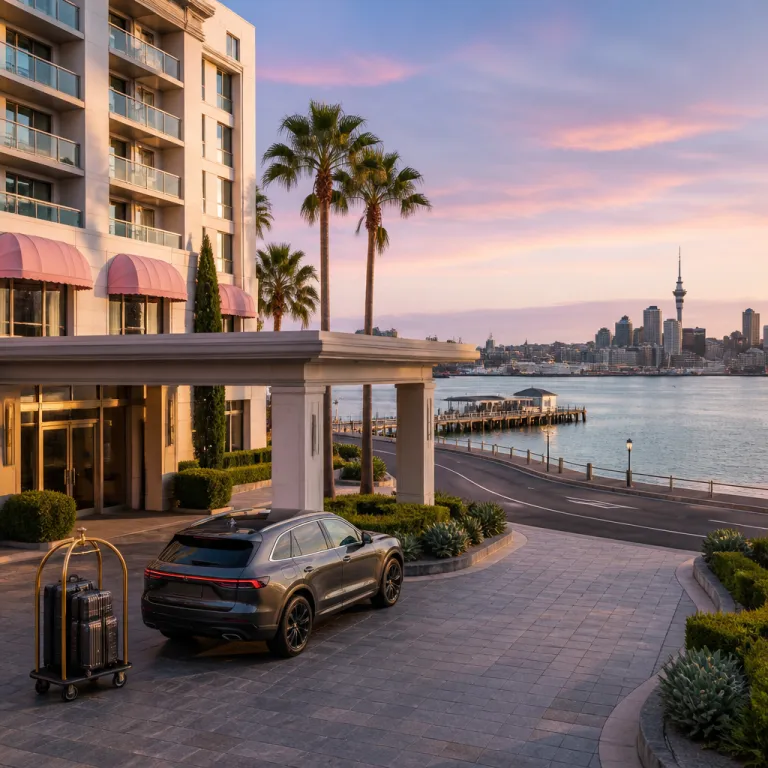
Planning your travel to Auckland: long haul routes and timing
Planning a trip to Auckland begins long before you see the harbour lights. From the United States, non-stop flights to Auckland typically run from Los Angeles in about 13 hours in the air, while one-stop options via major Asian hubs or the South Pacific can stretch the journey but sometimes lower the fare. For business and leisure travellers, a smart strategy is to choose a schedule that lands you in the city during the early morning, which lets you use hotel spa facilities and daylight to reset your body clock before meetings or a first gentle wander.
From Europe, most routes to this North Island gateway connect through major Asian cities or the Middle East, and the total travel time often exceeds 24 hours door to door, so premium cabins and good lounge access become more than a luxury. Travellers from Australia and the wider Australia–New Zealand region enjoy a much shorter hop, with frequent services from Sydney and Melbourne feeding directly into central Auckland stays and making weekend trips realistic. Whether you depart from the Northern Hemisphere or the Southern Hemisphere, remember that you cross several time zones and the International Date Line, so your arrival date will often be two calendar days after departure even though the actual travel duration feels like one long day.
For visitors combining North Island and South Island itineraries, it is usually smarter to fly into Auckland first, then connect south once you have rested and explored the city centre for a night or two. This approach lets you experience Tāmaki Makaurau, the Māori name for Auckland, as a cosmopolitan harbour city before you head to the South Island landscapes of Queenstown or Fiordland. Many luxury travellers now structure their journeys so they arrive in Auckland in October or July, avoiding the highest summer crowds while still enjoying the natural beauty of the Hauraki Gulf and the surrounding countryside.
Arriving at Auckland Airport: transfers, timing and first night strategy
Once your flight touches down, the real Auckland experience begins at Auckland Airport, which handled around 2.4 million international arrivals in the year to March 2024 according to its published traffic statistics.1 Immigration and biosecurity are thorough but efficient, and premium cabin passengers or those with trusted traveller status usually clear formalities quickly, which means your focus shifts fast to choosing the right transfer into central Auckland. For luxury hotel guests, the best options are pre-booked private cars, hotel limousines or high-end rideshares, which will meet you in the arrivals hall and take you directly to your chosen address in the city centre without any need to handle local currency immediately.
Travellers who prefer a more urban arrival can use the airport bus connection that links into the new City Rail Link, which now connects the main transport hub with several downtown stations near major hotels. Key stops such as Britomart, Aotea and Karangahape Road place you within a short walk or quick taxi ride of most luxury properties, and typical transfer times from the airport to the city centre range from 35 to 60 minutes depending on traffic. Expect premium private transfers to sit in the higher fare band, while shared shuttles and public transport cost less; if you need data on arrival, you can either buy a local SIM at the terminal or rely on eSIMs and widespread hotel and café Wi‑Fi for navigation and ride-hailing.
Concierges at leading properties such as Park Hyatt Auckland, Horizon by SkyCity and The Hotel Britomart often suggest a simple first-day framework for long-haul guests. One Park Hyatt concierge recently described their ideal arrival day as “a light breakfast, a slow walk along the harbour and a 90-minute nap, not three hours,” followed by an early dinner, which helps your body adjust to the North Island time zone without the shock of a packed schedule. For a deeper look at how timing affects your stay, especially if you are considering winter travel, read this guide to Auckland in July and why the city’s quietest month can be the luxury traveller’s smartest bet, which explains why July often delivers the lowest crowd levels and some of the best places to secure value in high-end rooms.
Choosing your Auckland base: CBD, Britomart, Ponsonby or Parnell
Where you stay shapes how you experience Auckland, especially if you are extending a business trip into leisure. The central business district, often called the CBD or Auckland city centre, works well if your meetings cluster around corporate towers, convention venues and the waterfront, because you can walk between offices, restaurants and your hotel in minutes. Properties like Park Hyatt Auckland sit right on the harbour edge, while Horizon by SkyCity rises above central Auckland with quick access to the City Rail Link and major entertainment venues.
Britomart, on the eastern side of the city centre, has evolved into one of the best places for design-forward stays, with The Hotel Britomart anchoring a precinct of fashion, dining and laneway cafés. If you care about architecture that reflects the city’s layers of Māori culture and European heritage, this is where you feel it most clearly, and you can read more in this feature on design focused hotels in Auckland where architecture tells the city’s story. From Britomart you can easily reach Auckland ferries, visit Rangitoto Island or Waiheke Island, and still be back in time for a late-night ice cream on the waterfront.
Ponsonby and Parnell sit just beyond the core of Auckland but remain close enough for quick taxi or rideshare hops, and both neighbourhoods offer a more local, residential feel. Ponsonby suits travellers who want good cafés, independent galleries and a relaxed road grid that rewards walking, while Parnell appeals to those who prefer heritage villas, leafy streets and quieter evenings after a day of meetings or sightseeing around the North Island. When you compare these districts, think about whether you want to be in the thick of the city’s energy or slightly removed, because that choice will define how you experience Tāmaki Makaurau during your stay.
Harbour orientation: ferries, islands and your first 24 hours
The best way to feel Auckland in your first 24 hours is to step onto the water. From the downtown ferry terminal, a short walk from many city centre hotels, you can reach Waiheke Island, Rangitoto Island and other corners of the Hauraki Gulf that show why this city is often called an island metropolis. Even if you are in town for meetings, a half day on the harbour gives you a sense of the country’s natural beauty that no boardroom can match.
For a gentle first day, many concierges suggest a late-morning ferry to Waiheke, a light vineyard lunch and a stroll along the coastal paths before returning to Auckland by late afternoon. This rhythm respects jet lag, keeps you outdoors and lets you hear the Māori language and local accents around you, which anchors you in New Zealand rather than in an airport lounge bubble. If you want to turn that first excursion into an overnight stay, consider this detailed review of a refined coastal escape at The Boatshed on Waiheke Island, which explains how a short ferry ride can feel like a complete reset between business and leisure modes.
Not every traveller has time for an island, so another good first-day option is a harbourfront walk from the Viaduct to Wynyard Quarter, followed by a simple dinner and perhaps an ice cream from a local parlour before an early night. This route keeps you close to central Auckland while still giving you views across to Rangitoto Island and the wider North Island coastline, and it helps you map the city’s main axes without overloading your schedule. Whether you choose ferries, waterfront promenades or a quiet spa afternoon, the key is to avoid cramming too many activities into that first day, because slow pacing will pay off across your entire stay in Tāmaki Makaurau.
Seasonality, rates and when to travel Auckland for luxury value
Timing your Auckland visit matters as much as choosing the right hotel, especially in a city where luxury demand has grown quickly. February now sees average hotel occupancy in central Auckland approaching the mid‑80 percent range, according to Tourism New Zealand hotel performance summaries,2 which means the best rooms at properties like Park Hyatt Auckland, Horizon by SkyCity and The Hotel Britomart often sell out early and command premium rates. If you want the lowest prices without sacrificing quality, look instead at the shoulder months and the winter window from May to July, when cooler temperatures thin the crowds but the city’s cultural life remains strong.
July in particular has become a strategic month for high-end travellers, because you can often find suites and harbour-view rooms at rates below peak season while still enjoying clear days and crisp evenings. Many visitors now plan a loop that combines Auckland with the South Island during this period, using the quieter streets of Tāmaki Makaurau as a base before flying south to alpine landscapes and then returning north for a final night in the city centre. This pattern lets you experience both the North Island and the South Island without the summer rush, and it often unlocks better availability for private guides, restaurant reservations and spa appointments.
Seasonality also shapes which experiences feel most rewarding, from sipping red wine on Waiheke Island in a cool breeze to walking the volcanic trails of Rangitoto Island under softer winter light. In October and early spring, the city’s parks and waterfront promenades begin to fill again, but you still avoid the heaviest visitor flows that peak later in the southern summer. Whatever month you choose, book early, read recent reviews carefully and work with your hotel concierge or a trusted travel adviser to find the best places and dates for your specific mix of business and leisure.
Cultural context and practical details: Māori heritage, language and local habits
Understanding the cultural fabric of Tāmaki Makaurau deepens every aspect of an Auckland stay, from how you greet staff to how you interpret place names. Auckland sits on the North Island but looks out across the Hauraki Gulf to several island sanctuaries, and many of these landscapes hold deep significance in Māori culture, which you will see referenced in art, carvings and language throughout the city. Learning a few words of te reo Māori, such as kia ora for hello and tēnā koe for a more formal greeting, shows respect and often sparks warm conversations with local hosts.
Luxury hotels in Auckland increasingly weave Māori design elements and stories into their interiors, menus and guest experiences, reflecting a broader shift across New Zealand toward honouring indigenous narratives. When you visit Auckland galleries, waterfront sculptures or cultural centres, you will notice how the city balances its role as the country’s largest urban hub with its identity as Tāmaki Makaurau, a place of many lovers in traditional stories. This duality makes even simple activities, like ordering ice cream on the waterfront or walking a coastal road on Waiheke Island, feel connected to something older than the modern skyline.
On the practical side, Auckland is a good city for walking within the central districts, but its hilly terrain and spread-out suburbs mean you will often rely on taxis, rideshares or the expanding rail network beyond the city centre. Road etiquette is calm by big-city standards, yet you should remember that driving happens on the left, which can feel unfamiliar for visitors from the United States or continental Europe. To make the most of your stay, use recent reviews, talk with local concierges and treat your first day as a gentle orientation, not a race to tick off every landmark across the North Island and the South Island in one sweep.
Key figures for luxury travel Auckland
- Auckland currently offers roughly 20 recognised luxury hotels, giving high-end travellers a concentrated but diverse set of options across the city centre and waterfront districts (source: indicative luxury accommodation counts for Auckland drawn from Tourism New Zealand listings and major hotel group reports, accessed 2024).3
- The average nightly rate for a luxury hotel room in Auckland typically sits near 500 USD, which positions the city competitively against other Australia–New Zealand hubs while reflecting strong demand in peak months (source: STR and local hotel benchmarking summaries for 5-star properties in 2023–2024).4
- Direct flights from Los Angeles to Auckland take approximately 13 hours, making this one of the more manageable long-haul routes into the South Pacific for United States-based travellers (source: major airline schedules between Los Angeles and Auckland, including Air New Zealand and American Airlines, 2024 timetables).5
- Hotel occupancy in Auckland reached the mid‑80 percent range in February, while winter months such as May to July typically see lower occupancy and more flexible pricing, creating opportunities for travellers seeking the lowest rates on premium rooms (source: Tourism New Zealand and Auckland hotel performance summaries for 2023–2024).2
- Auckland Airport processed about 2.4 million overseas visitors in the year to March 2024, underscoring the city’s role as the primary international gateway for both the North Island and the South Island (source: Auckland Airport annual traffic statistics, year ended March 2024).1
FAQ: luxury travel Auckland logistics
What are the top luxury hotels in Auckland?
What are the top luxury hotels in Auckland? The most consistently recommended properties for high-end travellers include Park Hyatt Auckland on the waterfront, The Hotel Britomart in the Britomart precinct and Horizon by SkyCity above central Auckland, all of which combine strong service with prime locations for both business and leisure.
How long is the flight from Los Angeles to Auckland?
How long is the flight from Los Angeles to Auckland? The non-stop journey usually takes approximately 13 hours in the air, making it one of the more direct long-haul routes into New Zealand from the United States and a manageable overnight sector for business travellers.
What is the average cost per night at a luxury hotel in Auckland?
What is the average cost per night at a luxury hotel in Auckland? Recent data indicates that high-end properties in Auckland typically charge around 500 USD per night for standard luxury rooms, with suites and harbour views priced higher during peak periods such as February.
When is the best time of year to visit Auckland for luxury stays?
When is the best time of year to visit Auckland for luxury stays? February offers lively summer energy but also high occupancy, while winter months like July provide quieter streets, more availability and often the lowest rates on premium rooms, so your choice depends on whether you prioritise atmosphere or value.
How should I plan my first 24 hours after arriving in Auckland?
How should I plan my first 24 hours after arriving in Auckland? Most concierges recommend a light schedule with a waterfront walk, a simple meal, perhaps a short ferry ride or spa session and an early night, which helps you adjust to the local time zone and enjoy Tāmaki Makaurau more fully over the following days.